Navigating global gambling regulations A country-by-country overview
Understanding Gambling Regulations
Gambling regulations vary significantly across countries, reflecting diverse cultural attitudes, economic considerations, and legal frameworks. At its core, these regulations are designed to protect consumers, ensure fair play, and prevent criminal activities, such as money laundering. As players explore their options, they may encounter new casinos 2026 that offer innovative experiences, making it essential to understand these laws as they promote tourism and generate tax revenue through legalized gambling.
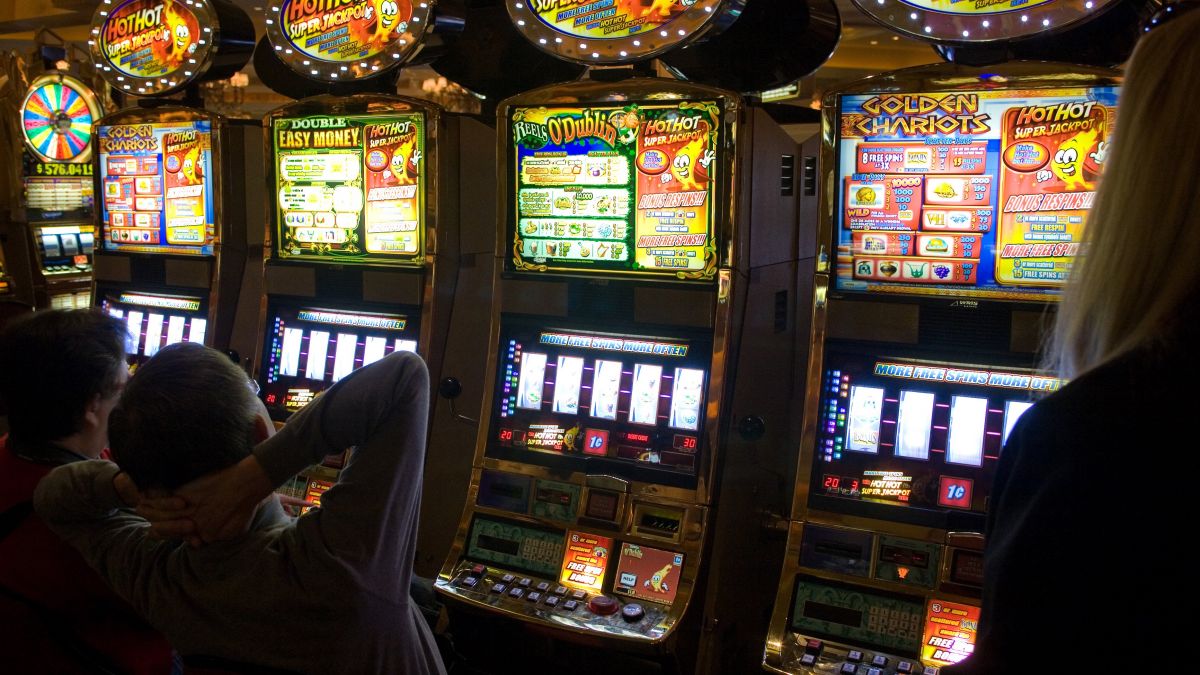
The complexity of these regulations can be overwhelming, especially for players seeking to navigate the global gambling landscape. Whether it’s online gaming, sports betting, or traditional casinos, understanding the local laws is essential for ensuring a safe and legal gambling experience. This article aims to provide a comprehensive country-by-country overview of these regulations, highlighting key differences and commonalities.
North America: A Patchwork of Laws
In North America, the gambling landscape is characterized by a patchwork of laws that differ widely from state to state. In the United States, for instance, some states have fully embraced online gambling, while others maintain strict bans. States like New Jersey and Pennsylvania have established robust regulatory frameworks that allow for online casinos and sports betting, attracting players and revenue alike.
Canada has a more unified approach, with provinces regulating gambling activities. Most provinces allow online gambling, although operators must be licensed. This provincial regulation can lead to varying offerings and experiences for players, as each region tailors its services to meet local demand and regulatory requirements.
Europe: Diverse Regulations in a Single Market
Europe presents a diverse regulatory environment where gambling laws can differ not just between countries, but even within regions of a single country. The European Union promotes the freedom to provide services across borders, but individual nations maintain the authority to regulate gambling as they see fit. For example, the UK has established a comprehensive Gambling Commission that oversees all forms of gambling, ensuring player protection and fair practices.
In contrast, countries like Germany have been historically restrictive, although recent reforms aim to modernize their approach to online gambling. Other nations, such as Malta and Gibraltar, have become regulatory hubs, attracting international gambling companies with favorable tax rates and streamlined licensing processes, thus shaping the continent’s gambling landscape.
Asia: Emerging Markets and Regulations
In Asia, the gambling landscape is rapidly evolving, with several countries beginning to embrace regulated gambling. In regions like Macau and Singapore, government-sanctioned casinos generate significant revenue, while online gambling remains a gray area in many jurisdictions. Countries such as Japan are exploring legalizing sports betting and online casinos, reflecting a shift in public sentiment towards gambling as a legitimate entertainment option.
However, challenges remain, as traditional cultural attitudes towards gambling can lead to restrictive regulations. For example, countries like China impose strict regulations, allowing gambling only in specific areas like Macau, while imposing severe penalties for unauthorized gaming activities. As Asian markets develop, ongoing legislative changes will likely continue to shape the gambling landscape.

Conclusion: The Future of Gambling Regulations
As the global gambling industry evolves, so too will the regulations that govern it. With technological advancements such as online gambling platforms and mobile betting apps becoming increasingly popular, regulatory bodies are faced with the challenge of adapting to these changes while ensuring consumer protection and fair play. The future of gambling regulations will likely see greater cooperation between countries, allowing for more streamlined and harmonized approaches to governance.
Understanding these regulations is essential for players seeking a safe and legal gambling experience, as well as for operators aiming to navigate the complex landscape. As the industry continues to expand, being informed about the latest regulatory changes will be crucial for everyone involved in the global gambling arena.